
- CALL NOW412-407-7553
 Book Now
-
emergency
service
 Book Now
 emergency

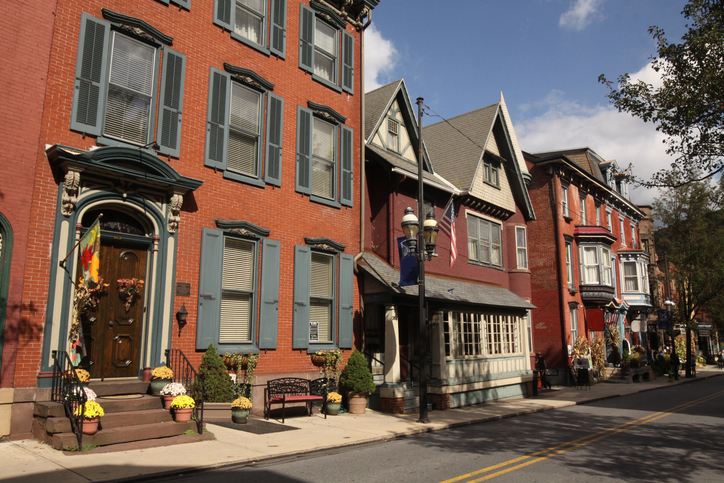
Pittsburgh has many older homes with distinctive layouts, original construction details, and years of renovations. While these features give each property its character, they can also affect how efficiently and evenly a home stays warm during winter.
Some homeowners notice that certain rooms remain cold even when the furnace is running. Others experience higher heating bills, inconsistent temperatures between floors, or difficulty heating additions and finished spaces.
These problems do not automatically mean a home needs a new heating system. Often, the issue involves a combination of factors, including ductwork, insulation, airflow, equipment condition, and changes made to the property over time.
Understanding these factors can help homeowners make informed decisions about HVAC for older homes and determine when professional Pittsburgh heating services may be helpful.
Not every older Pittsburgh home has the same heating challenges. A house with updated insulation and a properly sized furnace may heat comfortably, while another property of a similar age may struggle with uneven temperatures.
The difference often comes down to how the home is constructed and how its heating system has changed over time.
Older homes may have heating equipment installed before major renovations. Finished attics, remodeled basements, and room additions can change how much space needs heating and how warmth moves throughout the house. Construction also matters. Insulation levels, window conditions, air leaks, and the number of exterior walls can influence how quickly rooms lose heat.
A heating system must account for these conditions to maintain comfortable temperatures. Rather than focusing on the home’s age alone, an HVAC professional can evaluate the existing equipment, heating distribution, and construction to understand what may be affecting performance.
In homes with forced-air heating, ductwork carries warm air from the furnace to different rooms. When ducts are damaged, poorly connected, or improperly designed, some areas may not receive enough heat.
Ductwork doesn’t necessarily perform poorly just because it is old. However, years of use and modifications can affect its condition.
Small gaps or disconnected duct sections can let warm air escape before it reaches the intended rooms.
This is especially noticeable when ducts run through unheated attics, crawl spaces, or other areas outside the home’s conditioned living space. Poorly insulated ductwork in these locations can also lose heat as air travels through the system.
Damaged ducts, blocked registers, dirty filters, and other restrictions can limit how much warm air reaches a room. Homeowners might notice weak airflow from certain vents or significant temperature differences between spaces.
A professional inspection can help determine whether the problem involves ductwork, the furnace, or another system component.
Renovations sometimes change a home’s floor plan without updating the heating system.
A former storage room may become a bedroom, or an addition may connect to ductwork that was originally designed for a smaller living area.
These changes can affect heating distribution. Before replacing the furnace, determine whether the existing ductwork can adequately serve the home’s current layout.
Homes with boilers and radiators require a different approach, since heating distribution problems may involve piping, circulation, or radiator performance rather than air ducts.
Uneven heating is one reason homeowners seek Pittsburgh heating services.
However, a cold room does not always indicate a problem with the heating equipment itself. Several factors can cause temperature differences throughout a house.
Multi-story homes may have different temperatures on different levels. Warm air naturally rises, but insulation, air leakage, thermostat placement, and heating distribution all influence the actual temperatures.
A thermostat on the main floor may reach its setting while an upstairs bedroom or finished basement remains uncomfortable.
Converted attics, enclosed porches, and finished basements may have different heating requirements than the original living areas.
If these spaces were added without evaluating the heating system, they may not stay warm enough in colder weather.
Rooms with several exterior walls or large windows can lose heat more quickly than interior spaces.
Drafts around windows and doors can also make rooms feel colder, even when the heating system is operating normally.
Insufficient insulation allows heat to escape more quickly. Gaps around building materials and openings can create additional air leakage.
These conditions may cause the heating system to run longer while certain rooms remain difficult to keep comfortable.
Sometimes a room receives less heat because of restricted airflow, poorly positioned registers, or a radiator or heating zone issue.
The appropriate solution depends on the cause. Improving airflow, sealing leaks, or addressing insulation may be more helpful than installing a larger furnace.
A heating system that worked well when it was installed may not meet the home’s current needs.
Consider an older Pittsburgh house that originally had an unfinished basement and attic. If both spaces are eventually converted into living areas, the amount of space requiring heat changes.
The original heating equipment may not have been designed for those additional rooms.
Renovations can also reduce heating demand. Improved insulation, air sealing, and replacement windows may help the house retain heat more effectively.
These changes are important when determining whether existing equipment is properly sized.
A system that is too small may struggle to maintain comfortable temperatures during cold weather. Oversized equipment can also create operating problems, including unnecessary cycling.
That is why you shouldn’t select heating equipment based only on the home’s age or square footage.
A professional heating load calculation considers factors such as insulation, windows, construction, and local winter temperatures.
This helps determine the heating capacity the property actually needs before a replacement or major upgrade.
Not every heating issue calls for a new furnace. If the existing equipment is properly sized and generally in good condition, a repair may restore reliable heating performance.
For example, a furnace that previously heated the home consistently may begin struggling to maintain temperatures. Homeowners might notice unusual noises, weak airflow, frequent cycling, or difficulty reaching the thermostat setting.
These symptoms can result from mechanical problems, worn components, or a need for maintenance. Possible causes include blower problems, ignition issues, malfunctioning controls, or airflow restrictions.
An HVAC technician can inspect the system, identify the cause, and determine whether repairs are appropriate.
The condition of the equipment matters. A repair may make sense when the furnace has been dependable, the required work is reasonable, and the system still meets the home’s heating requirements.
Routine maintenance can also help identify developing problems before they result in a breakdown.
However, repairing the furnace will not necessarily correct comfort issues caused by poorly designed ductwork, inadequate insulation, or additions that lack sufficient heating.
Understanding the difference can help homeowners avoid spending money on repairs that do not address the underlying problem.
Upgrading the heating system may be worth considering, especially when equipment is aging or the home’s heating needs have changed.
Some situations that may justify an upgrade include:
In some homes, improving ductwork or adjusting heating distribution may help. Other properties may benefit from new equipment or a separate heating solution for a particular area.
For example, a ductless heat pump may be an option for a finished attic or addition where extending existing ductwork would be difficult. The suitability of supplemental heating depends on the space, its heating needs, and the existing system.
It is also important to evaluate equipment sizing before replacement. Installing a new furnace without addressing underlying airflow or heat loss problems could leave some comfort concerns unresolved.
Homeowners considering replacement can explore Jacob Heating & Cooling’s guide to choosing the right heating system for additional information about available options.
The goal is to choose improvements that meet the home’s current heating needs rather than replace equipment based on age alone.
Some older Pittsburgh homes still use oil-fired heating systems. When these systems approach replacement, homeowners may consider whether switching to electric heating makes sense.
One option is an electric heat pump, which transfers heat into the home rather than generating it through fuel combustion. Depending on the equipment, heat pumps can also provide air conditioning during warmer months.
However, switching from oil to electric isn’t automatically the best choice for every older home. Consider several factors, including the home’s heating needs, existing equipment, insulation, electrical capacity, and installation costs.
The type of oil heating system matters, too. A home with an oil furnace and forced-air ductwork may have different conversion requirements than a property heated by an oil boiler and hot-water radiators.
Pittsburgh’s winter conditions are another consideration. Heat pump equipment must be selected to provide appropriate heating capacity during cold weather, with supplemental or backup heat when needed.
Homeowners should also compare expected operating costs using their actual fuel prices, electricity rates, and estimated energy consumption.
For some properties, maintaining an existing oil heating system may remain practical. For others, conversion may be worth evaluating as part of a larger heating upgrade.
Jacob Heating & Cooling discusses additional considerations in its article about switching from oil to electric heating.
A professional evaluation can help homeowners understand installation requirements and compare options before deciding.
Older homes can have heating challenges, but no single solution works for every property.
A brick house with original radiators may require a different approach than a renovated home with forced-air heating. A finished attic may need extra heating, while a cold first-floor room may benefit from better insulation or airflow.
The first step is identifying what is actually causing the problem. A professional HVAC evaluation can examine the existing heating equipment, accessible ductwork or distribution components, airflow, and overall system performance.
When you’re considering a replacement, a heating load calculation can help determine the right equipment capacity.
Homeowners can also help by noting which rooms remain cold, when temperature differences occur, and whether heating problems began after renovations.
Sometimes the solution is a straightforward repair. In other cases, improving heating distribution, upgrading equipment, or adding supplemental heating may make more sense.
Addressing the underlying cause can help homeowners make informed decisions about comfort, system performance, and future heating expenses.
If your older Pittsburgh home has uneven temperatures, an aging furnace, or rooms that are difficult to heat, it may be time to have the system evaluated.
Jacob Heating & Cooling provides heating repair and installation services for homeowners in Pittsburgh and surrounding communities.
Contact Jacob Heating & Cooling to discuss your heating concerns and determine whether repair, replacement, or system improvements may be appropriate for your home.


 CONTACT US
