
- CALL NOW412-407-7553
 Book Now
-
emergency
service
 Book Now
 emergency

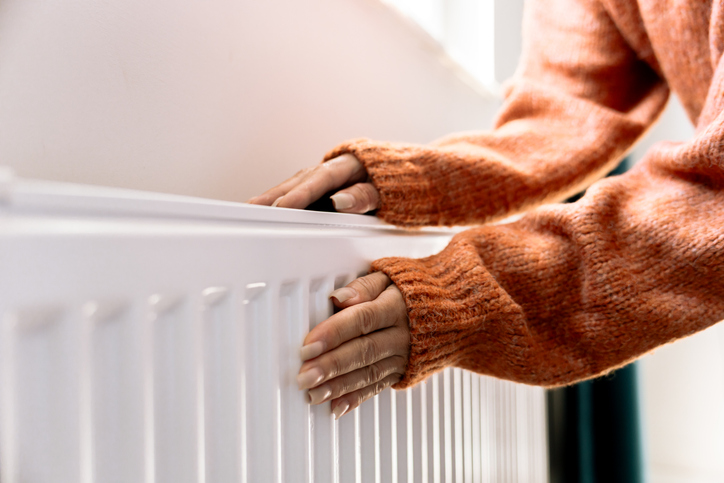
Have you noticed more static electricity when you touch a doorknob? Does your skin feel drier than usual, or does the air in your home seem uncomfortable even when the thermostat is set to a comfortable temperature?
These are common complaints during winter, especially in Pittsburgh, where cold outdoor temperatures often mean running your heating system for long periods.
It’s easy to assume your furnace is drying out the air. However, winter humidity is a little more complicated than that. Outdoor temperatures, air leakage, ventilation, and indoor heating all influence how much moisture is present in your home’s air.
Understanding how these factors work together can help you identify the cause of the discomfort and decide whether simple adjustments or professional HVAC services can help.
One of the main reasons your house feels dry in winter is the difference between cold outdoor air and warmer indoor air.
Cold air generally contains less water vapor than warm air. When outdoor air enters your home through small gaps, ventilation systems, or frequently opened doors, it brings that relatively low moisture content inside.
Your heating system then warms that air to a comfortable indoor temperature. However, heating alone does not add moisture.
This changes relative humidity, which measures how much water vapor the air holds compared with the maximum it can hold at that temperature. As air warms without gaining additional moisture, its relative humidity decreases.
For example, outdoor air can have relatively high humidity on a cold Pittsburgh morning but still contain very little actual water vapor. Once that air enters your home and warms, its relative humidity can drop significantly. As a result, indoor air can feel noticeably drier, even though the heating system is operating normally.
This is why dry indoor air often becomes more noticeable during extended stretches of cold weather. Your house continually exchanges some indoor air with outdoor air, and that incoming air may contribute to lower indoor humidity.
Many homeowners blame their furnace when their house starts feeling dry. While the timing makes sense, the furnace itself doesn’t necessarily remove moisture from the air.
A typical residential furnace heats the air circulating through your home. Under normal operation, that heating process doesn’t remove significant amounts of water vapor.
Instead, heating cold outdoor air and replacing indoor air with drier outdoor air can lower indoor relative humidity.
Several factors influence how noticeable this becomes.
Air leakage: Small openings around windows, doors, attic penetrations, and other parts of your home’s exterior let outdoor air in. During cold weather, this can continually introduce air with relatively little moisture.
Ventilation: Bathroom fans, kitchen exhaust fans, and ventilation systems remove indoor air and bring in replacement air. Ventilation matters, but outdoor conditions affect the humidity of the replacement air.
Indoor temperature: Warmer air has a greater capacity to hold water vapor. Raising your thermostat without adding moisture can further lower relative humidity.
Household moisture: Cooking, showering, and everyday activities add some moisture indoors. The amount varies with household habits and how quickly you remove that moisture. A home with noticeable drafts may experience different winter humidity conditions than a tightly sealed home with controlled ventilation.
So, if your house feels dry when the heat is running, that doesn’t automatically mean something is wrong with your furnace. It may simply reflect how your home responds to winter conditions.
You don’t need specialized equipment to notice that your indoor air feels uncomfortable. Several everyday changes may suggest your home’s humidity has dropped. However, these signs alone aren’t enough to confirm low humidity.
If you frequently experience small shocks when touching metal objects or notice clothing clinging together, low humidity may be contributing.
Static electricity is often more noticeable in dry conditions because electrical charges do not dissipate as readily.
Some homeowners notice that their skin or lips feel drier during winter. Low indoor humidity may contribute to that feeling, although outdoor weather, personal care products, and other factors can also play a role.
A dry-feeling nose or throat may feel more noticeable when you spend time in heated indoor spaces. These sensations can have several causes, so don’t automatically attribute them to your HVAC system or indoor humidity.
Wood responds to moisture in its surroundings. As indoor humidity drops, some wood materials may shrink slightly.
You might notice small seasonal gaps between hardwood floorboards or changes in wood furniture. These changes can also depend on the material, installation, and indoor conditions.
Sometimes, the most noticeable sign is simply that your home feels less comfortable than expected.
You may notice that certain rooms feel warmer or cooler than others, air movement seems uneven, or the overall indoor environment feels uncomfortable despite a reasonable thermostat setting. Because temperature, humidity, and airflow all affect comfort, checking your indoor humidity is a useful place to start.
Your heating system does more than help maintain the temperature inside your home. It also influences airflow and how air circulates through your living spaces.
However, indoor air quality involves several factors working together, including filtration, ventilation, humidity, and equipment maintenance.
Understanding these connections can help homeowners make more informed decisions to improve air quality.
Your HVAC filter captures certain airborne particles as air moves through the system.
A properly selected and maintained filter can reduce airborne dust and other particles. However, a standard furnace filter does not add moisture to dry air.
An excessively dirty filter can also restrict airflow, potentially affecting heating performance. Following your system’s filter maintenance recommendations helps support normal operation.
Ventilation exchanges indoor air with outdoor air.
This exchange can help reduce certain indoor pollutants, but it also influences humidity. In winter, bringing in cold outdoor air can lower indoor relative humidity after it’s heated.
The goal is not to eliminate ventilation. Instead, homeowners need an appropriate balance between fresh air, temperature, and moisture control.
Some homes use portable humidifiers or HVAC-connected humidification equipment to add moisture when indoor air becomes excessively dry.
These options work differently and require appropriate operation and maintenance.
Adding moisture without monitoring humidity can create other problems, including condensation on cold surfaces. For that reason, humidity management should account for the home’s conditions rather than simply adding as much moisture as possible.
Equipment condition and airflow can influence how comfortable rooms feel throughout your house.
Regular maintenance can help identify problems with heating performance, airflow restrictions, and other operational concerns. Jacob Heating & Cooling discusses these connections further in its article on the importance of air quality when heating your home.
Remember that humidity is only one part of indoor air quality. Dust, particles, and other indoor pollutants also deserve attention.
For additional local context, read Jacob’s guide to common Pittsburgh air pollutants and protecting your home’s indoor air quality.
Although dry winter air does not necessarily indicate a furnace problem, HVAC issues can make your home feel less comfortable.
For example, a heating system that cycles on and off too frequently may struggle to maintain consistent temperatures. Short cycling can have several causes, including thermostat issues, airflow restrictions, or equipment problems. Uneven airflow can also create noticeable temperature differences between rooms.
If one bedroom feels chilly while the living room is overly warm, the issue may involve ductwork, airflow balancing, insulation, or other factors that deserve evaluation.
An improperly operating heating system may also struggle to maintain the temperature you expect.
These problems do not automatically cause low humidity, but they can make winter comfort complaints more noticeable.
It’s important to distinguish between two separate concerns:
Both can occur at the same time, so focusing only on humidity may not address every comfort issue.
If your home feels consistently uncomfortable, a broader HVAC evaluation may be more useful than assuming the furnace is simply drying out the air.
Take several practical steps to better understand and manage dry indoor air before considering major equipment changes.
A small digital hygrometer can help you measure your home’s indoor relative humidity. The U.S. Environmental Protection Agency generally recommends indoor relative humidity between 30% and 50% when practical.
However, winter conditions may require staying toward the lower end of that range to avoid condensation on cold windows and other surfaces.
Checking humidity in different rooms can help you determine whether dryness is consistent throughout the house.
A portable humidifier can add moisture to a single room.
If you use one, follow the manufacturer’s cleaning and maintenance instructions. Neglected humidifiers can become contaminated, and that contamination may spread into indoor air.
Avoid over-humidifying your home, and reduce humidifier use if condensation begins appearing on windows or other cold surfaces.
Cold air entering through the gaps around doors and windows can reduce winter comfort.
Weatherstripping and other appropriate air-sealing measures may help reduce unwanted drafts. However, air sealing should not block required ventilation or combustion air for fuel-burning equipment.
Check your filter according to your equipment manufacturer’s recommendations and replace it when needed.
A clean, correctly sized filter helps support proper airflow. It won’t fix low humidity on its own, but it’s still an important part of routine HVAC care.
Avoid blocking HVAC vents with furniture, rugs, or household items.
Unobstructed vents help your heating system distribute air as intended.
If airflow remains noticeably weak or uneven, avoid making major duct or equipment adjustments without professional guidance.
If you regularly struggle with dry air throughout your home, discuss HVAC-connected humidification options with a professional. The appropriate approach depends on your existing equipment, ventilation, home construction, and measured humidity levels.
A professional evaluation can help determine whether additional humidity control would be beneficial.
Occasional winter dryness does not necessarily mean your heating equipment needs repair. However, persistent discomfort or noticeable heating problems can be good reasons to schedule an HVAC evaluation.
Consider contacting a professional if:
A professional can assess your heating equipment and help identify whether airflow, system operation, or indoor air quality concerns may be contributing.
Depending on the situation, it may also be appropriate to evaluate ventilation, insulation, air leakage, or moisture conditions. The objective is to understand the problem before choosing a solution.
Dry indoor air is a common winter concern, but your furnace is not necessarily the cause.
Cold outdoor conditions, heating, ventilation, and how much air enters and leaves your house all affect indoor humidity. Your HVAC system also affects overall comfort through filtration, airflow, and temperature control.
For Pittsburgh homeowners, improving winter comfort starts with understanding how these factors interact.
Measuring indoor humidity, maintaining your heating system, checking for drafts, and noticing changes in comfort can help you decide your next steps.
When discomfort continues, professional guidance can help identify whether your home would benefit from HVAC maintenance, airflow improvements, or additional humidity management.
Jacob Heating & Cooling provides indoor air quality installation, service, and repair along with heating system maintenance for Pittsburgh-area homeowners.
If you’re looking to improve indoor air quality in your Pittsburgh home or have concerns about winter heating performance, contact Jacob Heating & Cooling to discuss your comfort needs and schedule an evaluation.


 CONTACT US
