
- CALL NOW412-407-7553
 Book Now
-
emergency
service
 Book Now
 emergency
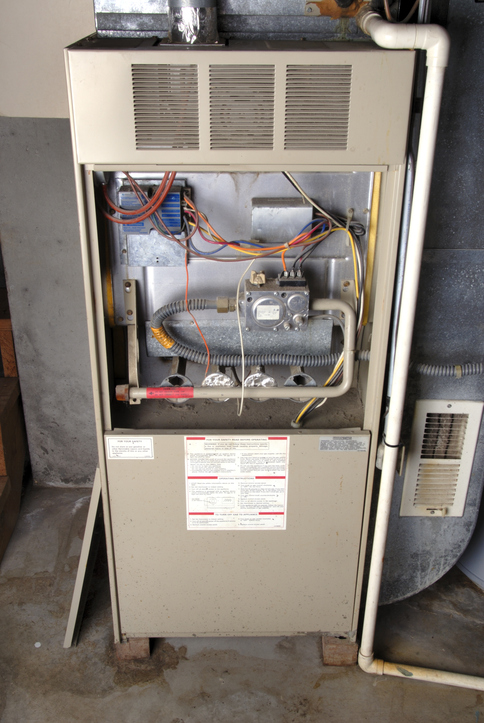
If your furnace turns on, runs for a short time, shuts off, and then starts up again minutes later, you are dealing with what HVAC professionals call furnace short cycling. Homeowners often describe it as a heater that turns on and off constantly, or a furnace that never seems to stay running long enough to fully heat the house.
Short cycling is not just an annoyance. It can affect comfort, increase energy costs, and shorten the life of your heating system if left unaddressed. Understanding why it happens and when to call for help can prevent bigger problems later, especially during a Pittsburgh winter when your furnace works hardest.
A properly working furnace runs in steady heating cycles. It turns on, heats your home to the thermostat setting, then shuts off until more heat is needed. Short cycling happens when the cycle is interrupted too quickly.
Rather than completing a full heating cycle, the furnace shuts down early and restarts repeatedly. This pattern can happen every few minutes or even more frequently. While safety systems are often responsible for shutting the furnace off, the underlying cause still needs attention.
Short cycling is not normal operating behavior and almost always signals that something is not working as intended.
There is no single cause behind furnace short cycling. In most homes, it comes down to airflow problems, overheating, or control issues. Below are the most common culprits technicians see.
Overheating is one of the most frequent causes of short cycling. Furnaces are equipped with safety limit switches designed to shut the system down if temperatures inside the unit get too high. When the furnace cools slightly, it turns back on, only to overheat again.
This cycle repeats until the underlying problem is resolved. Overheating often stems from restricted airflow or mechanical issues that prevent heat from circulating properly through the system.
That excess heat triggers safety shutoffs, causing the furnace to short-cycle. Regular filter changes are a basic but critical part of keeping your heating system running correctly.
The flame sensor monitors whether the burner flame is present. If it becomes dirty or fails, the furnace may shut down shortly after ignition as a safety precaution.
When this happens, the furnace will attempt to restart, resulting in repeated on-off cycles. Flame sensor issues are common, especially in older systems, and are usually straightforward for a professional to address.
Sometimes the furnace itself is not the problem. A faulty thermostat can misread temperatures or lose communication with the furnace. If the thermostat senses heat incorrectly, it may signal the furnace to shut off too soon.
Thermostat placement also matters. A thermostat installed near a heat source or in direct sunlight can falsely register higher temperatures, causing the heater to turn on and off unnecessarily.
An oversized furnace heats a space too quickly, reaching the thermostat setting before completing a proper heating cycle. While this may sound efficient, it often leads to frequent short cycling.
Over time, this constant starting and stopping increases wear on components and reduces overall efficiency. Furnace sizing is especially important in older Pittsburgh homes that may have been renovated or insulated differently over the years.
Short cycling does more than disrupt comfort. It directly affects how efficiently your furnace operates and how long it lasts.
Every time the furnace starts, it uses more energy than when it runs steadily. Frequent startups increase fuel consumption and raise heating bills. At the same time, critical components such as the igniter, blower motor, and heat exchanger experience increased stress.
Addressing short cycling early is one of the most effective ways to protect your heating investment.
Some short-cycling issues can be prevented through routine maintenance, but others require professional diagnosis. It is time to call for service if you notice any of the following:
When a professional inspects a short-cycling furnace, the goal is to identify why safety systems are triggering shutdowns. A thorough inspection typically includes:
Technicians also look for signs of wear or damage that could worsen if left unaddressed. If repairs are needed, addressing them promptly helps restore normal heating cycles and protects the system in the long term.
Homeowners experiencing repeated heating interruptions often benefit from scheduling professional heating service before the problem escalates into a full system failure.
Preventing short cycling comes down to maintenance, airflow management, and professional oversight. Homeowners can take several steps to reduce the risk of experiencing this issue.
Regularly changing air filters is one of the most effective preventive measures. Most homes benefit from filter replacement every 1 to 3 months, depending on how much they are used and indoor air quality factors.
Annual furnace inspections also play a key role. During routine maintenance, technicians can spot early signs of overheating, sensor issues, or airflow restrictions before they cause frequent shutdowns.
If your home has undergone renovations or insulation upgrades, it may also be worth reviewing whether your current furnace is properly sized. In some cases, system adjustments or zoning solutions can reduce short cycling without requiring full replacement.
For Pittsburgh homeowners dealing with a heater that turns on and off repeatedly, working with a trusted HVAC provider offering comprehensive heating service and repair can help ensure reliable performance throughout the winter season.
A furnace that short-cycles occasionally may not seem urgent, but ongoing cycling is a clear signal that something is wrong. Ignoring the issue can cause higher energy bills, reduced comfort, and costly repairs.
Whether the cause is airflow restriction, sensor failure, or thermostat trouble, professional diagnosis is the safest way to restore normal operation. Addressing furnace short cycling early protects your home’s comfort and extends your heating system’s lifespan.
If your furnace keeps shutting off in Pittsburgh’s colder months, scheduling a professional inspection can provide clarity and prevent long-term damage before winter temperatures put even more strain on your system.
For homeowners dealing with a furnace that keeps shutting off in Pittsburgh, Jacob Heating and Cooling provides thorough inspections and reliable repair services designed to protect your system long-term.



 CONTACT US