
- CALL NOW412-407-7553
 Book Now
-
emergency
service
 Book Now
 emergency
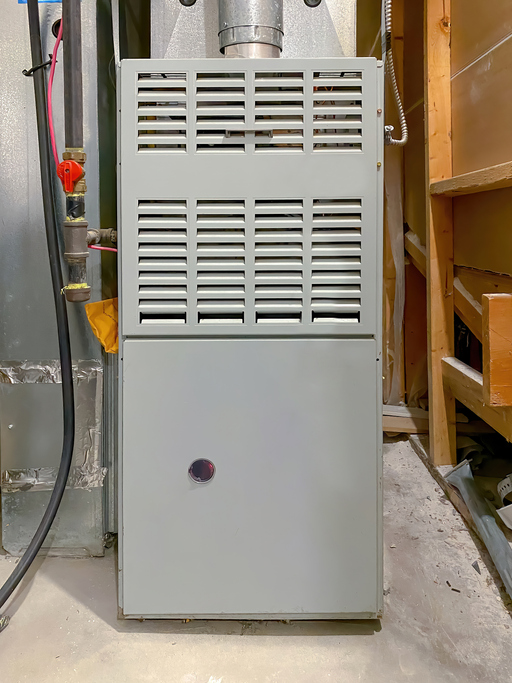
Turning on your furnace during a cold Pittsburgh winter should bring relief—not concern. But if you notice a burning smell coming from your heating system, it can be unsettling, especially if you’re unsure whether it’s normal or a sign of trouble.
The truth is that some furnace odors are common, particularly at the start of the heating season. Others, however, can indicate mechanical strain, airflow issues, or electrical problems that shouldn’t be ignored.
In this article, our experts explain why furnaces can smell like they’re burning, when it’s typically harmless, when it’s time to call a professional, and how routine maintenance helps prevent odor-related issues throughout winter.
After months of sitting idle during spring and summer, our furnace is suddenly expected to operate consistently once temperatures drop. That transition alone explains why many homeowners notice furnace smells early in the heating season.
In Pittsburgh, where winter temperatures can fluctuate significantly, furnaces often cycle on and off frequently. During cold snaps, systems run longer and harder, which can make underlying issues more noticeable.
Burning smells tend to appear:
Understanding what’s happening inside your furnace helps you recognize whether the smell you’re noticing is expected or a warning sign.
The most common, and least concerning, reason a furnace smells like it’s burning is dust buildup.
Over time, dust settles on internal furnace components such as:
When the furnace turns on for the first time after months of inactivity, that dust burns off, creating a mild burning smell that may travel through your vents.
What homeowners typically notice:
As long as the odor disappears and doesn’t return, this type of furnace smell is generally considered normal.
If the burning smell is strong, sharp, or persistent, it may point to overheating components inside your furnace.
Potential sources include:
These odors often smell more like hot metal or melting plastic rather than dust. Unlike normal burn-off smells, overheating-related odors typically do not dissipate on their own.
Over time, continued overheating can lead to component failure or system shutdowns, especially during periods of heavy use in winter.
Air filters play a significant role in furnace performance that many homeowners may not realize. When your filters are clogged with dust and other debris, airflow becomes restricted.
This restriction can cause:
In some cases, dust trapped in the filter itself may emit a burning smell as air struggles to pass through.
Changing the filter regularly is one of the easiest, most effective ways to reduce furnace odors and protect your system from unnecessary strain.
Because furnace smells can have multiple causes, context matters. Paying attention to timing, intensity, and duration can help you determine whether professional service is needed.
Signs the Smell Is Likely Normal
In these cases, the odor is usually related to dust burning off and resolves without intervention.
Signs the Smell May Be Dangerous
If any of these signs are present, it’s best to stop running the furnace and contact a professional promptly.
While it may be tempting to wait and see if a furnace smell goes away, ignoring persistent odors can lead to larger problems.
Higher Repair Costs Over Time
Minor issues—such as airflow restrictions or early electrical wear—can escalate if left unaddressed. Continued operation under strain can result in:
Addressing problems early often keeps repairs simpler and more affordable.
A furnace dealing with overheating or restricted airflow may struggle to maintain consistent temperatures. Homeowners may notice:
These issues can affect comfort and reduce the lifespan of your heating system.
Safety Concerns
Some furnace odors may indicate safety risks, particularly if electrical components are involved or if airflow problems cause excessive heat buildup.
While not every odor signals immediate danger, persistent or unfamiliar smells should always be evaluated—especially during Pittsburgh winters, when furnaces run for extended periods, and homes remain tightly sealed.
When a homeowner in Pittsburgh notices a burning smell from their furnace, a professional inspection can provide clarity and peace of mind.
At Jacob Heating & Cooling, furnace safety inspections focus on identifying potential problems before they become disruptive or costly.
A typical inspection includes:
Routine inspections help reduce the likelihood of unexpected odors, improve system efficiency, and extend the life of your furnace.
Homeowners interested in preventative care can learn more about available maintenance services here.
You should contact an HVAC professional right away if:
Prompt service helps protect your home and ensures your heating system remains reliable during the coldest months of the year.
A furnace that smells like it’s burning doesn’t always mean something is wrong—but it does deserve attention. While dust burn-off is common at the start of winter, persistent or intense odors can signal airflow restrictions, electrical issues, or mechanical strain that require professional evaluation.
Understanding what’s normal and what isn’t helps homeowners make informed decisions, avoid unnecessary repairs, and maintain a safe, comfortable home throughout Pittsburgh’s winter season.
If your furnace smells bad or you’re unsure whether what you’re experiencing is typical, scheduling a professional inspection with Jacob Heating & Cooling is a practical next step that provides reassurance and helps prevent bigger problems down the road. Call us today to learn more!




 CONTACT US