
- CALL NOW412-407-7553
 Book Now
-
emergency
service
 Book Now
 emergency
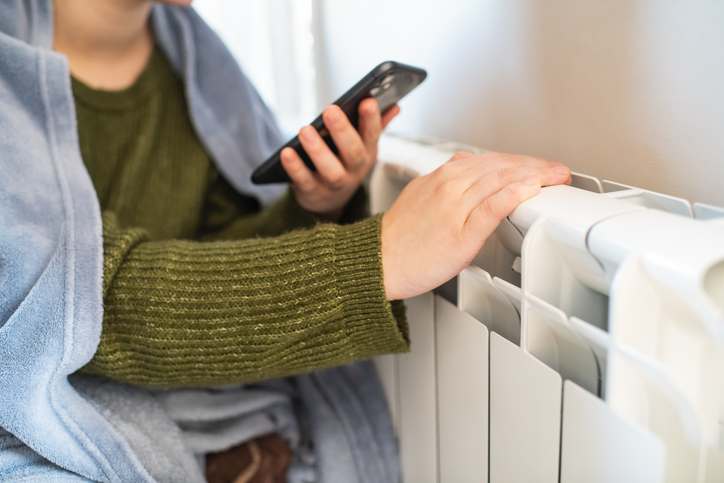
When temperatures drop in Pittsburgh, homeowners expect their furnace to keep the house warm and comfortable. So when the heater suddenly starts blowing cold air, it’s frustrating—and it can raise concerns about safety, cost, and how quickly your HVAC technician can resolve the issue.
A furnace blowing cold air doesn’t always mean there’s a major breakdown, but it is a sign that something isn’t functioning correctly. Understanding the possible causes can help you know what to expect when you call for service and why it’s important not to ignore the issue.
This guide covers the most common reasons furnaces blow cold air, what they mean for your system, and when to contact a trusted local HVAC company, such as Jacob Heating & Cooling, for assistance.
A furnace is designed to deliver warm, steady airflow. When cold air comes through the vents instead, it typically points to a problem with airflow, ignition, fuel delivery, or system safety controls.
Many homeowners first notice the issue when:
Because modern furnaces rely on several safety and efficiency mechanisms, even a minor malfunction can disrupt heating performance. While some causes are straightforward, such as incorrect thermostat settings, others require a professional diagnosis to prevent system damage.
Below are the most common issues that cause a furnace to blow cold air.
Before assuming a mechanical problem, it’s essential to make sure the thermostat is communicating correctly with your furnace.
The fan setting is on “ON” instead of “AUTO.”
When the fan is set to ON, it runs continuously, even when your furnace isn’t actively heating. This means it may blow room-temperature air through the vents between heating cycles. Setting it to AUTO ensures the fan operates only when warm air is being produced.
Incorrect temperature settings
If you or someone in your home accidentally adjusted or programmed the thermostat incorrectly, the furnace may not be instructed to enter a full heating cycle. This can lead to cool or lukewarm airflow.
Low batteries or thermostat malfunctions
A thermostat that’s losing power or failing internally may send inconsistent signals to the furnace. This can lead to heat cycles that start and stop prematurely, producing short bursts of cold air.
Although thermostat issues may seem minor, they can significantly impact comfort—especially during prolonged periods of cold weather.
Gas furnaces rely on a flame sensor to confirm that fuel is burning safely. If the sensor becomes dirty or corroded, it can fail to detect the flame, shutting the furnace down.
How this creates cold air:
Flame sensor issues are common in furnaces that haven’t been serviced recently. Since the sensor is part of the safety system, it should only be cleaned or replaced by a qualified HVAC technician.
If the burners cannot ignite, the furnace won’t produce heat—even though the blower continues circulating air.
Possible ignition-related causes include:
When ignition fails, the furnace often attempts to start repeatedly. Homeowners may hear clicking sounds, experience short bursts of air, or notice the system cycling more frequently than usual.
Because ignition components involve gas and electrical safety, this issue should always be inspected by a technician rather than adjusted at home.
A furnace is designed with safety mechanisms that prevent overheating. When the system reaches unsafe temperatures, it may shut off the burners while leaving the blower fan running to cool internal components. This results in cold air blowing through the vents.
Common reasons a furnace overheats:
An overheating furnace is a safety concern, and it can lead to additional wear if the problem continues. Addressing the underlying cause promptly prevents larger repair needs down the line.
Some heating issues start small but can quickly escalate in severity. Contacting a professional HVAC technician is the safest way to restore your system’s performance and protect it—especially if you’re experiencing ongoing cold air issues.
Below are signs that it’s time to schedule a service call.
If your furnace consistently blows cold air, even after you’ve adjusted the thermostat settings, there is likely a mechanical or safety-related problem inside the system. Causes may include:
Constant airflow problems indicate that your furnace can’t complete a full heating cycle, which means the issue will not resolve without service.
Some furnaces shift between warm and cool air due to cycling or safety sensors stopping the system mid-operation.
This may happen when:
Intermittent heat is a sign that the furnace is struggling to operate reliably. An HVAC professional can identify whether the problem is airflow-related, electrical, or connected to a safety mechanism.
A furnace blowing cold air is rarely something that improves on its own. In most cases, the underlying issue continues to progress until it causes a full system failure or a more expensive repair.
Here’s why delaying service can lead to bigger problems.
A furnace that cycles repeatedly, overheats, or struggles to ignite puts stress on parts like the blower motor, ignitor, heat exchanger, and safety switches.
When the system runs longer in an attempt to meet the thermostat settings, energy usage increases without improving comfort.
If the issue occurs during a Pittsburgh cold snap, the home can cool quickly, making the space uncomfortable and potentially affecting plumbing and other systems.
Issues involving ignition, flame sensors, or overheating relate directly to system safety. Ignoring these problems may allow unsafe conditions to continue.
Scheduling service when the problem starts helps keep repairs manageable and ensures indoor temperatures remain stable.
When your heater is blowing cold air, you need reliable, timely help from an experienced HVAC team. Jacob Heating & Cooling provides comprehensive furnace repair services throughout Pittsburgh, offering clear communication and practical solutions without unnecessary pressure.
Our service approach includes:
Whether the issue is related to thermostat communication, ignition failure, airflow problems, or overheating, our technicians work to restore dependable heat as quickly as possible.
A furnace blowing cold air in the middle of the winter season is never convenient, but the underlying issues are often identifiable and repairable with the help of a trained technician. Addressing the problem early helps keep the home comfortable, prevents added strain on the equipment, and supports safe operation throughout the heating season.
If you’re experiencing inconsistent or insufficient heat, the team at Jacob Heating & Cooling is ready to help restore reliable performance to your furnace. Call today to learn more!



 CONTACT US