
- CALL NOW412-407-7553
 Book Now
-
emergency
service
 Book Now
 emergency
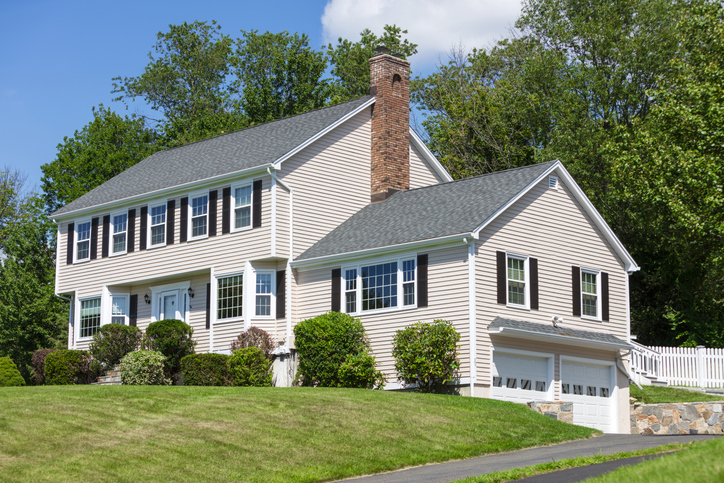
“My house is only a few years old, so why is my AC struggling?”
It is a frustrating question for many homeowners. Newer homes often offer real advantages, including better insulation, more efficient windows, and newer cooling equipment. Still, that does not mean every room will stay comfortable during the hottest parts of summer.
Cooling problems in new homes can include warm upstairs bedrooms, rooms that never cool properly, constant AC operation, or high summer energy bills. The important thing to understand is that cooling performance is not based on age alone. A newer home can still have comfort problems if the HVAC system was not sized, installed, balanced, or designed properly for the space.
It is easy to assume HVAC problems only happen in older homes with aging ductwork, outdated equipment, poor insulation, or inefficient windows. However, newer homes can experience many of the same comfort challenges for different reasons.
Modern homes are often built to be more energy efficient. Tighter construction, improved insulation, and better windows can help reduce energy waste. However, efficiency on paper does not always translate into even comfort throughout the home.
In some cases, HVAC decisions are made during construction with budget, speed, or standard builder packages in mind. The system may meet basic requirements, but that does not always mean it is suited to the home’s layout, sun exposure, airflow needs, or the homeowner’s use of the space.
A home with an open floor plan, large windows, upstairs bedrooms, and a finished basement may have very different cooling needs from one area to another. If the HVAC system was not designed with those differences in mind, the home may feel uneven even when the equipment is relatively new.
That is why Pittsburgh HVAC service is important for homes of all ages. Newer homes can benefit from professional inspections, airflow evaluations, and comfort assessments that consider the entire system, not just the air conditioner’s age.
One of the most common reasons newer homes have cooling problems is improper system sizing. Many homeowners assume that a bigger air conditioner unit will cool their homes better, but bigger is not always better.
An air conditioning system needs to be matched to the home’s size, layout, insulation, windows, ductwork, and cooling load. If the system is too small, it may struggle to keep up on hot days. An undersized system may run almost constantly, fail to reach the thermostat setting, and place extra strain on the equipment.
An oversized system can cause short cycling, meaning it turns on and off too quickly. Short cycling can cause uneven temperatures, reduce efficiency, and limit the system’s ability to manage humidity. A home may technically reach the thermostat setting but still feel sticky or inconsistent.
The right system is not the largest option available. It is the one that fits the home’s needs and supports steady, balanced cooling. Homeowners who are considering a replacement or questioning whether their current system is the right fit can benefit from learning how to choose the best air conditioning system for long-term comfort and efficiency.
Even if the air conditioner itself is working properly, the home may still feel uncomfortable if air is not moving through the house correctly. Airflow problems are not limited to older duct systems. They can exist in newer homes from the first day the system is used.
Duct design plays a central role in cooling performance. If ducts are too small, poorly routed, loosely connected, or not evenly distributed, some rooms may receive less conditioned air than others. Flexible ducts can also become kinked or compressed, restricting airflow and making it harder for cool air to reach certain spaces.
Closed or partially closed dampers can also affect performance. Dampers help control airflow through ductwork, but if they are not set correctly, they may limit cooling to certain areas. In other homes, there may not be enough return air. Return vents pull air back into the HVAC system so it can be cooled and recirculated. Without enough return airflow, the system can struggle to operate efficiently.
Blocked supply vents are another common issue. Furniture, rugs, curtains, or built-in features can limit airflow without the homeowner realizing it. Common signs of airflow problems include weak airflow from vents, rooms that stay warmer than others, hot second floors, and frequent thermostat adjustments.
In many cases, airflow issues do not require a full system replacement. A professional evaluation can identify whether the issue is related to duct design, dampers, return air, vent placement, or another correctable problem.
Thermostat placement is easy to overlook, but it can have a major impact on comfort. The thermostat is the control center for the cooling system. If it is reading the wrong conditions, the entire system may operate in a way that does not match the home’s actual needs.
A thermostat placed near a sunny window may sense extra heat and cause the AC to run longer than needed. One located near a kitchen, exterior door, or naturally cool area may also misread the home’s needs and affect comfort in other rooms.
This is especially noticeable in two-story homes. A thermostat on the first floor may reach the set temperature while upstairs bedrooms remain warm. Since the thermostat is satisfied, the system shuts off even though the upper level still needs cooling.
Homeowners often respond by lowering the thermostat, but this may only make the first floor too cold while the upstairs continues to lag. In some homes, relocating the thermostat, adding sensors, upgrading controls, or improving zoning can help the system respond more accurately.
Open-concept homes are popular because they can make a home feel larger, brighter, and more connected. However, these layouts can also create cooling challenges that require proper HVAC design.
Large open areas require the system to condition a greater volume of air. Tall ceilings, two-story living rooms, and open staircases can make this more challenging. Since warm air rises, upper areas may warm while lower areas feel cooler, creating uneven temperatures.
In homes with open staircases, cool air may not stay where homeowners expect it to. Air can move between floors, making it harder to maintain consistent temperatures. A first-floor living area may feel comfortable while upstairs rooms remain warm, especially in the late afternoon when heat has built up throughout the day.
Large windows can also add to the challenge. Even energy-efficient windows may allow some heat gain, especially in rooms with strong afternoon sun. Open layouts often require careful airflow balancing, which may include adjusting dampers, evaluating the placement of supply and return vents, improving circulation, or considering zoning strategies.
Many newer homes have different cooling needs in different areas. A single thermostat may not be enough to manage all of those needs effectively.
South-facing rooms may receive more sun and heat up faster. Rooms with large windows may need more cooling at certain times of day. Bonus rooms over garages can be difficult to keep comfortable because they are often surrounded by spaces that are not conditioned the same way as the rest of the home. Finished basements may stay naturally cooler, while upstairs bedrooms may need more cooling.
When a single thermostat controls the entire home, it can only respond to the temperature at its location. That means one area becomes the reference point for the whole system, even if other areas are warmer or cooler.
This is where zoning can help. HVAC zoning systems divide the home into separate areas that can be controlled more independently. Dampers in the ductwork help direct airflow where it is needed, while multiple thermostats or sensors help the system respond to different conditions throughout the home.
Ductless mini-splits can also be a practical solution for problem areas. They are often used in bonus rooms, additions, finished basements, converted garages, or rooms that never seem to cool off like the rest of the house. Instead of relying entirely on the central system, a ductless unit can provide targeted comfort in a specific space.
Many homeowners focus on efficiency ratings when thinking about their HVAC system. Efficiency matters, but it is only one part of the comfort equation.
A high-efficiency air conditioner can still perform poorly if it is installed incorrectly, paired with poorly designed ductwork, or sized improperly for the home. SEER ratings help measure energy efficiency, but they do not account for every real-world condition inside a specific house.
For example, a system with a strong efficiency rating may still struggle if airflow is restricted. It may not deliver enough cooled air to distant rooms, or it may run in a way that leaves humidity levels uncomfortable. If the ductwork leaks or does not distribute air evenly, the system cannot provide the comfort homeowners expect, even if the equipment itself is efficient.
Comfort and efficiency need to work together. A system that runs efficiently but leaves bedrooms hot is not truly meeting the homeowner’s needs. Homeowners who want to understand better what efficiency ratings do and do not tell them can read more about how SEER ratings impact efficiency and what those ratings mean for Pittsburgh homes.
A complete comfort evaluation should look beyond the number on the system. It should consider sizing, installation quality, ductwork, airflow, insulation, thermostat placement, humidity control, and how the home is used day-to-day.
The way a home is built can also influence how well it cools. Newer homes are often built with tighter construction, which can improve efficiency by reducing air leaks. However, tight construction also means the HVAC system must be carefully designed to support proper ventilation, airflow, and humidity control.
Comfort issues may also appear after the homeowner moves in and starts using the space differently. A room above a garage may feel fine in spring but become uncomfortable in July. A second-floor bedroom may not seem like a problem until the family uses it every night during peak cooling season. A home office with computers, monitors, and afternoon sun may require more cooling than the original design anticipated.
High summer utility bills can also provide clues. Constant operation can occur when the system is undersized, airflow is restricted, or the thermostat responds to inaccurate readings. Poor duct performance can waste energy too. If conditioned air is not reaching the rooms where it is needed, homeowners may lower the thermostat to compensate, forcing the system to run longer while still failing to solve the underlying issue.
Humidity can add to the problem. When indoor humidity is high, the home can feel warmer than the thermostat reading suggests. Homeowners may keep lowering the temperature, even though the real issue may be moisture control rather than just air temperature.
Homeowners do not need to wait until the system breaks down to schedule an HVAC evaluation. Many cooling problems are easier to address when they are caught early.
It may be time to have your system checked if certain rooms are consistently too hot or too cold, especially if the same areas are uncomfortable every summer. A room that never cools properly may point to airflow issues, duct limitations, insulation concerns, or zoning needs.
An AC system that runs constantly should also be evaluated. High utility bills, uneven airflow from vents, excess humidity, frequent thermostat adjustments, and noticeable temperature swings are also worth investigating.
The good news is that many cooling problems in new homes can be corrected without replacing the entire system. Depending on the cause, solutions may include airflow balancing, duct adjustments, thermostat improvements, maintenance, repair, zoning, ductless mini-splits, or targeted equipment upgrades.
Newer homes can experience cooling problems just like older homes. While modern construction and newer equipment can offer real benefits, they do not automatically guarantee perfect comfort in every room.
In many cases, cooling problems in new homes stem from system design, improper sizing, airflow limitations, zoning challenges, thermostat placement, or home layout. A system may be relatively new and still struggle if it was not matched carefully to the home’s actual cooling needs.
Addressing these concerns early can improve comfort, support energy efficiency, and reduce any unnecessary strain on the equipment. It can also help homeowners avoid guessing at solutions that may not fix the real problem.
If your newer home is not staying comfortable during Pittsburgh’s hottest months, Jacob Heating & Cooling can help identify the main cause and recommend practical solutions to improve your home’s comfort and performance. Whether you need AC repair, an airflow evaluation, ductless mini-split options, a system upgrade, or a seasonal maintenance plan, a professional assessment can help you understand what is happening and what steps make sense for your home. Call today to learn more about our HVAC services in Pittsburgh.


 CONTACT US