
- CALL NOW412-407-7553
 Book Now
-
emergency
service
 Book Now
 emergency
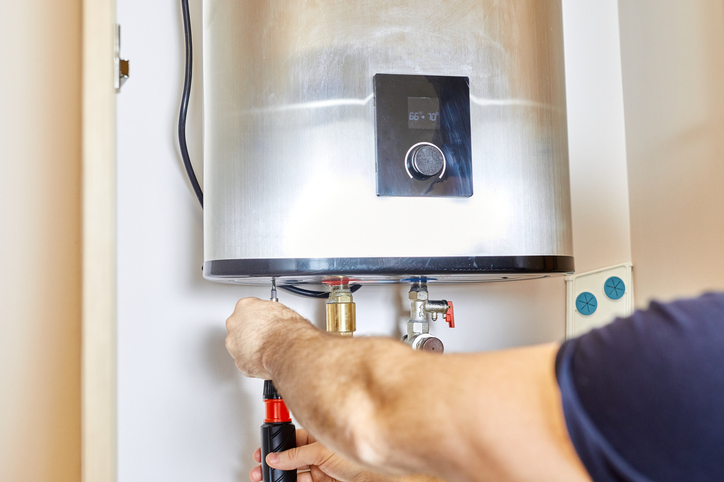
When a water heater stops producing enough hot water, starts leaking, or develops recurring problems, replacement may be the best next step. The right decision depends on the unit’s condition, the cause of the problem, your household’s hot water needs, and your home’s existing setup.
Jacob Heating & Cooling provides water heater installation and replacement for homeowners throughout the Pittsburgh area. Our team can evaluate your current water heater, review the existing installation, discuss your household’s hot water needs, and help you choose an appropriate replacement.
Whether your water heater has stopped working or you are planning before an older unit develops more problems, professional installation helps ensure the replacement equipment is properly connected and configured for your home’s plumbing, energy source, available space, and other installation requirements.
A water heater may need replacement if the tank is leaking, the unit no longer provides enough hot water, visible deterioration is developing, or the system continues to have recurring problems. However, not every water heater issue requires replacement, so evaluate the cause and the equipment’s overall condition first.
If your household regularly runs out of hot water sooner than before, the water heater may no longer meet your needs.
The cause is not always the equipment itself. Changes in household size or hot water use can also affect performance. Consider capacity and household demand when deciding whether a replacement is appropriate and when selecting a new unit.
Water collecting around the base of a water heater should be investigated promptly.
The moisture may be coming from the tank itself, a valve, a fitting, a plumbing connection, or another nearby source. If the tank is leaking, you may need to replace it.
A professional plumbing evaluation can help identify the source before determining what to do.
Visible rust or corrosion around the water heater, tank, valves, or connections can indicate deterioration that should be evaluated.
Corrosion does not always mean the water heater requires immediate replacement, but it should not be ignored. The location and condition of the affected components can help determine whether service or replacement is appropriate.
Water heaters may make some noise during normal operation, but new or increasingly noticeable popping, rumbling, or other unusual sounds may indicate sediment buildup or another condition affecting the system.
If you notice a change in the way your water heater sounds or operates, having the unit evaluated can help determine the cause and whether service or replacement makes sense.
If a water heater needs repeated attention or no longer provides reliable, consistent hot water, replacement may make more sense than continuing to address recurring issues.
Before deciding, consider the equipment’s condition, the cause of the problem, your household’s hot water needs, and the existing installation.
Choosing a replacement water heater involves more than selecting another tank that looks similar to the existing unit. The replacement should meet your household’s hot water demand and fit your home’s plumbing, energy source, electrical service, available space, and venting configuration.
Water heater capacity should match how much hot water your household typically uses.
Factors that can influence the appropriate capacity include:
A water heater that is too small for the household’s needs may lead to frequent hot water shortages. At the same time, choosing more capacity than the household reasonably needs may not be the best fit.
Evaluating actual household demand helps identify a more appropriate replacement.
The home’s existing energy source matters when replacing a water heater. Homes may use natural gas or electricity to heat their water.
In many situations, replacing the existing water heater with a compatible unit that uses the same energy source is the most straightforward option.
Changing energy sources may be possible, but it can require additional plumbing, electrical, gas line, or venting work.
Jacob Heating & Cooling can review the existing installation and discuss replacement options that fit your home’s current setup.
Water heaters are commonly located in basements, utility areas, garages, closets, and other designated mechanical spaces.
Before installing a replacement, both the available space and access to the existing equipment should be evaluated. The new water heater must fit the installation area while allowing proper access to connections and service components.
The location can also affect how easily the existing unit can be removed and the replacement brought into the home.
A replacement water heater must work with the home’s plumbing and, when applicable, gas and venting systems.
Existing connections should be evaluated before installation. If changes are necessary to accommodate the replacement equipment or current installation requirements, those updates should be identified as part of the installation process.
Water heater replacement typically begins with an evaluation of the existing equipment and installation. The process can vary depending on the home, the current setup, and the replacement water heater.
Before replacement, the technician reviews the existing water heater, including its location, capacity, fuel source, connections, and the reason replacement is being considered.
This information helps determine the right replacement for the household and existing installation.
The replacement water heater should be selected according to the household’s hot water needs and the home’s existing setup.
Homeowners should understand the proposed equipment and any necessary installation changes before installation.
The existing water heater must be safely shut down, drained, and disconnected from the appropriate water, gas, electrical, and venting connections.
The replacement water heater is positioned and connected to the appropriate systems in the home.
The plumbing, electrical, gas, and venting connections must match the replacement equipment.
After installation, the new water heater and its connections should be checked for proper operation before the equipment is placed into regular household use.
Having basic information about your current water heater can make it easier to evaluate the existing equipment and discuss replacement options.
Before scheduling service, it can be helpful to know:
Photos of the water heater and surrounding area may also be useful when discussing the existing installation.
If your water heater is leaking, no longer producing enough hot water, experiencing recurring problems, or needs replacement, Jacob Heating & Cooling can help you evaluate your options.
We provide water heater installation and replacement for homeowners throughout the Pittsburgh area. Our team can review your current equipment and installation, discuss your household’s hot water needs, and determine what is required to install an appropriate replacement in your home.
Contact Jacob Heating & Cooling to discuss water heater replacement or schedule service.
A water heater may need to be replaced if the tank is leaking, the unit no longer provides enough hot water, corrosion or deterioration is developing, or problems continue to occur.
You can also consider the water heater’s age, but age alone does not determine whether replacement is necessary. The overall condition of the unit and the cause of the problem should be evaluated.
The appropriate water heater size depends on your household’s hot water demand.
The number of people in the home, number of bathrooms, hot water use for showers and bathing, laundry and dishwasher use, and periods of simultaneous hot water demand can all affect the capacity you need.
A technician can review your household’s needs and existing equipment when recommending a replacement.
In many homes, replacing the existing water heater with a compatible unit that uses the same energy source can simplify installation.
However, the existing capacity and configuration should still be evaluated. Changes in household size, hot water use, available space, or equipment requirements can affect which replacement is appropriate.
Changing energy sources may be possible in some homes, but it can require additional electrical, plumbing, gas line, or venting work.
The home’s existing utilities and installation area should be evaluated before deciding whether changing water heater types is appropriate.
Not necessarily, but installing a replacement in the existing location is often less complicated because the necessary connections are already nearby.
Moving a water heater may require changes to water lines, electrical service, gas lines, drainage, or venting depending on the equipment and proposed location.
If possible, have the model number, serial number, approximate age, tank capacity, and fuel type of your current water heater available.
It is also helpful to describe the problem you are experiencing and where the water heater is located. Photos of the unit and surrounding space may provide additional useful information about the existing installation.
Water around a water heater can come from several sources, including the tank, valves, fittings, plumbing connections, or another nearby source.
Because the cause isn’t always obvious, inspect the water heater before assuming the tank itself is leaking.
Water heater installation involves plumbing and may also involve gas, electrical, and venting connections. Improper installation can create safety and performance problems.
Professional installation lets the installer evaluate the existing connections and replacement equipment together and helps ensure the water heater is installed appropriately for the home.


 CONTACT US