
- CALL NOW412-407-7553
 Book Now
-
emergency
service
 Book Now
 emergency

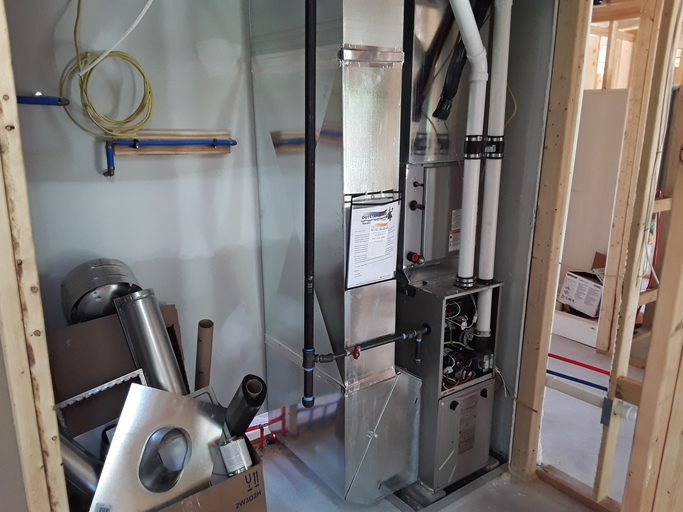
When your furnace stops working completely, it is obvious that you need to do something about it. Smaller furnace problems can be much easier to overlook. A new noise, an occasional cold room, longer heating cycles, or a slight change in airflow may not seem urgent when your home is still getting warm.
The problem is that a furnace can continue operating even when something is not working correctly. A minor issue may put additional strain on other components, reduce heating performance, or eventually contribute to a more significant repair.
For Pittsburgh homeowners, early fall is a good time to pay attention to how a furnace is operating. Addressing a concern before colder weather arrives can help you avoid discovering a larger problem when your heating system is working its hardest.
Most furnace problems do not begin with the system suddenly shutting down. Instead, homeowners may notice gradual changes in how the furnace sounds, runs, or heats the house.
Maybe the furnace seems to stay on longer than it did last winter. Perhaps one room is noticeably cooler, or you hear a new sound every time the system starts. You may also find yourself adjusting the thermostat more frequently to stay comfortable.
These changes are easy to dismiss when the furnace continues producing heat.
However, heating systems contain multiple components that have to work together. A problem affecting airflow, ignition, electrical components, controls, or the blower can influence how the rest of the system operates. Continuing to run the furnace without determining why its behavior has changed can sometimes create additional wear.
Paying attention to small changes gives you an opportunity to have the system evaluated before you’re dealing with a complete loss of heat.
Not every change means your furnace needs an expensive repair. However, there are several warning signs worth investigating.
Furnaces make noise during normal operation. You will typically hear the system start, the blower operate, and air move through the ductwork.
What matters is a sound that is new or noticeably different.
Banging, rattling, squealing, grinding, or other unusual noises can have several possible causes. A loose component may create a relatively simple problem, while other sounds could indicate an issue involving the blower or another internal component.
Instead of trying to diagnose a furnace based solely on a sound, pay attention to when the noise occurs and whether it is becoming more frequent.
If one part of your house suddenly feels colder than the rest, the furnace itself is not necessarily the only possible cause.
Uneven heating can be related to airflow, blocked vents, ductwork, the layout of the house, or HVAC equipment. However, a noticeable change from the way your home normally heats is worth investigating.
This is particularly important if multiple rooms are becoming uncomfortable or you find yourself continually increasing the thermostat setting.
A furnace will naturally run longer as outdoor temperatures drop. The colder it gets outside, the more heating your home requires.
A change in furnace runtime during similar weather conditions can be more meaningful.
If your furnace suddenly seems to run much longer than it previously did without improving comfort, it could indicate reduced heating performance, restricted airflow, thermostat issues, or another system problem.
A furnace that repeatedly turns on and off within short periods may not be completing normal heating cycles.
There are multiple possible causes for short cycling, so it should not be diagnosed based on the symptom alone. However, repeated cycling can place unnecessary wear on equipment and is a good reason to have the system inspected.
You may notice a temporary dusty or burning smell when turning on your furnace for the first time after months of inactivity. Persistent, strong, or unusual odors should be treated differently.
If you smell gas, notice smoke, or have another immediate safety concern, leave the affected area and follow the appropriate emergency procedures rather than attempting to troubleshoot the furnace yourself.
Your furnace can produce heat without distributing it effectively throughout your home.
Weak airflow may be associated with a clogged filter, blocked vents, ductwork problems, or an issue within the HVAC system. If airflow from your vents has noticeably decreased, addressing the cause can help restore comfort and prevent the system from working harder than necessary.
Your utility bills naturally fluctuate based on weather, energy prices, thermostat settings, and how much time you spend at home.
However, a significant increase without an obvious explanation may be worth investigating, particularly if it occurs alongside longer furnace cycles or declining comfort.
A furnace is a system of interconnected components. When one part is not performing properly, other components may have to compensate.
Consider restricted airflow as an example. If the furnace has difficulty moving heated air throughout the house, it may need to operate longer to satisfy the thermostat. Longer operation means more runtime for the blower and other system components.
A worn component can create similar problems. Something that initially causes an occasional noise or inconsistent operation could eventually fail completely.
This does not mean every small furnace issue will turn into a major repair. The important point is that homeowners cannot always determine the seriousness of a problem from the symptom alone.
If your system progresses from showing small warning signs to no longer operating properly, understanding why a furnace may stop working can help you recognize some of the issues that may be involved.
There are a few basic things homeowners can safely check before scheduling professional service.
Make sure the thermostat is set to heat and that the temperature setting is above the current room temperature. If the thermostat uses batteries, check whether they need to be replaced.
Also consider whether someone recently changed a schedule or setting.
A dirty furnace filter can restrict airflow and make the system work harder.
Check the filter and replace it according to the furnace and filter manufacturer’s recommendations. If filters are becoming unusually dirty very quickly, that may be something to mention when having the HVAC system inspected.
Walk through your home and make sure supply and return vents have not been accidentally blocked by furniture, rugs, curtains, or other household items.
Closing vents in unused rooms may also affect the way some HVAC systems distribute air, so it is generally better not to use vent closures as a way to solve uneven heating without professional guidance.
If the furnace is not operating at all, check whether a breaker has tripped.
A breaker that repeatedly trips should not simply be reset over and over. Recurring electrical problems need professional attention.
These basic checks can rule out some simple causes, but homeowners should avoid opening furnace components or attempting repairs involving electricity, gas, oil, combustion, or internal equipment.
One unusual heating cycle does not necessarily mean your furnace needs repair. Recurring or worsening problems are different.
Consider scheduling a professional furnace inspection when:
Professional diagnosis is important because several furnace problems can produce similar symptoms. Instead of replacing parts based on assumptions, an HVAC technician can inspect the system and identify what is actually causing the problem.
Finding a furnace problem does not automatically mean you need a new heating system.
For many systems, repairing a failed or worn component can restore normal operation. Replacement becomes a larger consideration when furnace problems are part of an ongoing pattern.
Factors to consider include the age and overall condition of the equipment, how frequently it requires repairs, the cost and extent of the current problem, and whether the furnace continues to meet the home’s heating needs.
Comfort also matters. A system that technically operates but consistently struggles to heat the house may deserve a broader evaluation.
If you are dealing with recurring issues, it may be helpful to understand when to consider furnace repair or replacement before deciding whether another repair or a new heating system makes more sense for your home.
A professional HVAC evaluation can also help you understand the condition of your existing equipment so you can make an informed decision rather than replacing a system simply because a problem occurred.
September and early fall give Pittsburgh homeowners an opportunity to identify heating problems before the furnace becomes one of the hardest-working systems in the house.
When you first begin using your heat, pay attention to how the system behaves compared with previous heating seasons.
Does it reach the thermostat setting? Does airflow feel normal? Are rooms heating consistently? Are there new sounds or odors?
These observations can provide useful information if you need professional service.
Waiting until the furnace completely stops working can also mean discovering the problem during a cold period when reliable heat is more urgent. Addressing a recurring problem earlier gives you more time to understand the repair and, if necessary, evaluate your options.
Small furnace problems are not always emergencies, but they should not automatically be dismissed simply because the heat is still working.
Changes in noise, airflow, cycling, comfort, or overall performance can provide early clues that something within the heating system needs attention. Identifying the cause early may help prevent additional wear and give you a better chance of addressing the problem before you lose heat.
If your furnace is behaving differently or isn’t heating your home the way it should, Jacob Heating & Cooling can inspect the system, determine what’s causing the problem, and explain your repair options. Whether your furnace needs a straightforward repair or it is time to discuss replacing an aging system, getting an accurate diagnosis is the first step toward keeping your Pittsburgh home comfortable throughout the heating season.

 CONTACT US
